Vitamin B12 Injections For Deficiency Why are doctors stopping B12 injections?
Why Are Doctors Stopping B12 Injections? A Young Woman’s Cautious, Product-Focused Review
Word count target: 1,800–2,500 words.
If you’ve searched “why are doctors stopping B12 injections” as a young woman, you’re likely trying to connect two things: (1) social-media claims that B12 shots “fix energy,” and (2) real-world clinic conversations that sound more cautious, more lab-driven, and less enthusiastic about injections as a default.
This article matches your search intent: it explains what’s behind the shift in prescribing habits, what a consumer-quality product choice can look like, and when injections are more likely to make sense (or not) based on typical use patterns and evidence limitations—not hype.
In short: doctors are often stopping B12 injections because they’re trying to be more targeted. They may use injections only for confirmed deficiency or specific absorption problems, and they may suggest oral B12 for many people instead. For a consumer, the important question becomes: is B12 actually low for you, and is injection the safest and most practical way to correct it?
What Why Are Doctors Stopping B12 Injections Is and Who It Might Fit Best
When people ask “why are doctors stopping B12 injections,” they’re usually asking two related questions: “Is B12 no longer helpful?” and “Why won’t my clinician just give me a shot?”
Clinically, “stopping” can mean different things. For some young women, it means a doctor won’t prescribe repeated injections when labs are normal or symptoms don’t line up with B12 deficiency. For others, it means the doctor stopped using injections as the first-line plan and shifted toward oral supplementation, diet changes, or investigation for other causes of fatigue and low mood (like iron deficiency, vitamin D insufficiency, thyroid changes, or stress/sleep patterns).
Where B12 injections (or injection-like plans) might fit best is typically in scenarios where deficiency is documented or where absorption is uncertain. Common examples include pernicious anemia suspicion, certain GI conditions, or a history of gastric surgery that can reduce absorption. In those cases, an injection can bypass absorption in the gut.
But for many young women with normal labs—or with symptoms that have other likely explanations—repeated B12 injections may become low-value. Not because B12 is harmful, but because the injection doesn’t address the root problem if B12 isn’t the limiting factor.
Consumer lens: if you want the most rational approach, you usually start with lab confirmation (or at least a clinician-reviewed symptom-to-lab match), then choose the format that best fits your body’s absorption and your schedule.
Practical Benefits and Where It Falls Short
A cautious, consumer-review view of B12 injections needs two parts: what they can do and what they can’t.
Potential benefit: if your B12 is truly low, correcting it may improve blood-related markers over time. Many people also feel subjective changes—sometimes energy, sometimes clarity—but the timeline varies and it’s not guaranteed. Another benefit is convenience: some people prefer a shot rather than remembering daily tablets.
Where it falls short: B12 injections don’t fix “fatigue” if the cause is elsewhere. They also aren’t a substitute for appropriate evaluation if symptoms are persistent, worsening, or accompanied by neurologic concerns.
Personal experience case (more likely to match “it helped, but only in context”)
A reviewer account from a young woman in her mid-20s described getting a B12 injection only after labs showed low B12. Her clinician discussed methylcobalamin vs cyanocobalamin options but started with injections because her diet was inconsistent and her clinician suspected absorption risk. She received a typical short course (often something like weekly injections for a set period, then reassessment), and within about 3–4 weeks she noticed less “brain fog” during daytime, along with improved tolerance for workouts. Importantly, she kept up with diet improvements and followed up labs. Her feedback wasn’t “instant magic”—it was “once we actually corrected a confirmed deficiency, I felt more like myself.”
Negative case (why shots didn’t solve the underlying problem)
Another common story: a young woman received B12 injections for ongoing tiredness and low motivation, but her lab results didn’t show a clear deficiency or were only borderline. She estimated the shots lasted 10–15 minutes of relief from “feeling weird” after the injection, but her energy stayed low. Later testing showed iron deficiency and sleep fragmentation, and once those were addressed, her fatigue improved. In her review, she described B12 injections as “expensive and not the lever we needed.” She also mentioned that she didn’t notice a meaningful change in tingling symptoms (which prompted her to ask for additional evaluation rather than continuing shots blindly).
Takeaway: B12 injections can be useful when they match a documented need. They’re less likely to help when fatigue is driven by iron, thyroid, stress/sleep, medication effects, or other nutritional gaps. If your plan is “inject and hope,” that’s a red flag.
What Research Suggests and What It Doesn't
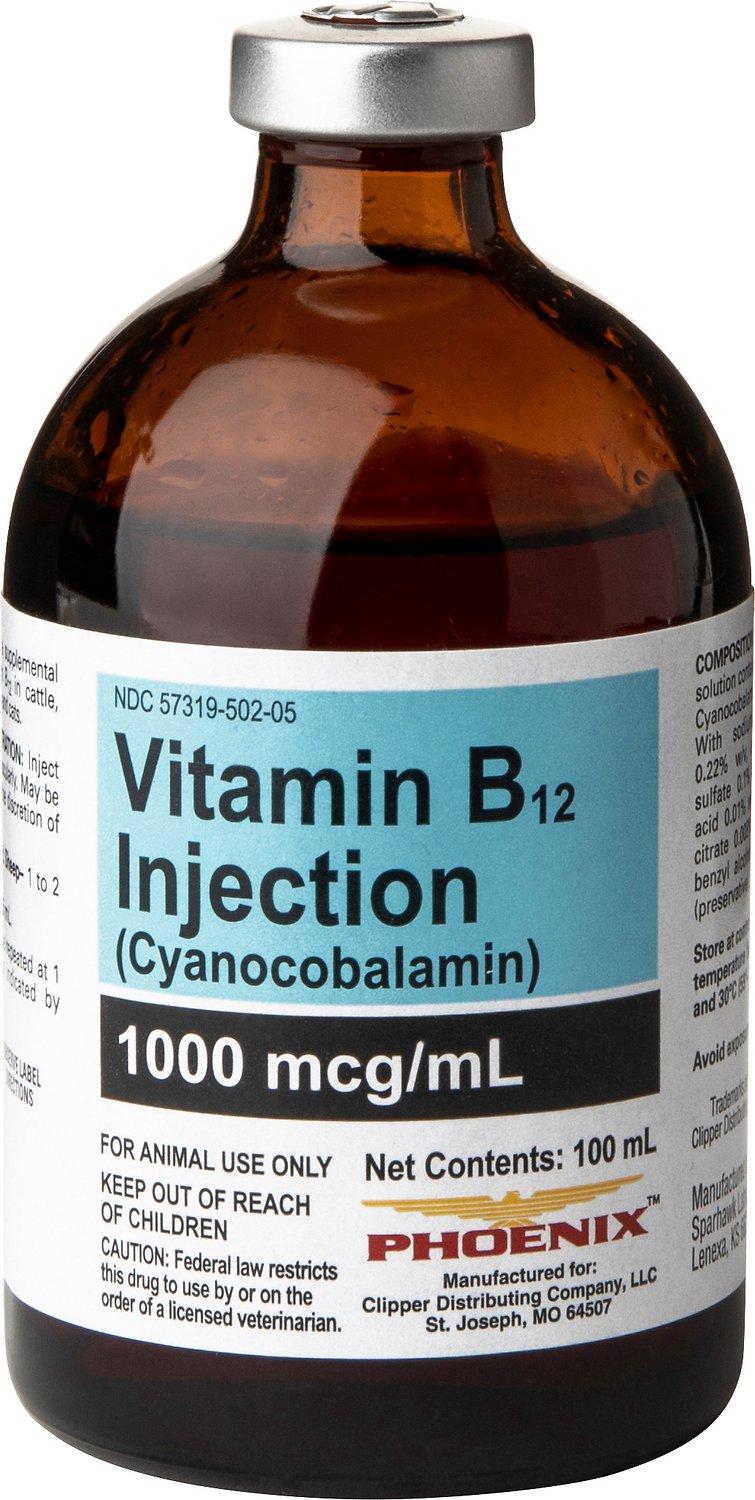
The evidence base is strongest for one scenario: correcting biochemical vitamin B12 deficiency (or deficiency caused by absorption issues). In those cases, supplementation—sometimes oral, sometimes injectable—can support normalization of markers.
What research usually does not support is the idea that B12 injections reliably produce dramatic, fast improvements in energy or mood for everyone. Symptom changes depend on whether B12 is actually low, whether the deficiency is causing the symptoms, and whether other factors are present. Even when B12 levels improve, neurologic recovery (if there was nerve involvement) can take time and may not fully reverse.
Risks and limitations you should keep in mind as a consumer review buyer:
- Testing matters: without labs, it’s hard to know if you’re treating the right target.
- Time matters: if you’re deficient, improvements may be gradual rather than immediate.
- Side effects can happen: injection site soreness is common; other reactions are less common but can occur.
- Complex symptom causes: fatigue can be multi-factorial in young women—iron deficiency, heavy menstrual bleeding, thyroid issues, low ferritin, vitamin D insufficiency, anxiety/stress, and sleep quality all play roles.
Cautious conclusion: B12 is a real nutrient with real deficiency consequences, but “why are doctors stopping B12 injections” often comes down to smarter matching—more labs, fewer blanket shots, and more attention to alternative causes.
Ingredients, Formats, and Quality Signals
If you’re evaluating any “B12 injection” approach or product, start by looking at format and form. B12 products aren’t all the same; what matters is what kind of cobalamin is used and how consistently it’s dosed.
Common B12 forms you’ll see
- Cyanocobalamin: often stable and widely used in supplements.
- Methylcobalamin: sometimes marketed for “active” form; can vary by product.
- Hydroxocobalamin: less common in over-the-counter supplements, more seen in certain clinical contexts.
Typical product formats
- B12 injections: usually require administration by a clinician or trained provider.
- Oral tablets/capsules: daily dosing is common; some people use higher-dose strategies.
- Sublingual drops/lozenges: often positioned for absorption, though total absorption varies.
- Nasal sprays: available from some brands; consistency varies.
- Combination supplements: sometimes include folate, B-complex, iron, or vitamin D—use caution if you already take others.
Quality standards and signals to look for
- Clear labeling: the label should clearly state B12 type (cyanocobalamin vs methylcobalamin), dose (mcg), and serving size.
- Manufacturer transparency: reputable brands disclose sourcing and batch details.
- Third-party testing: look for independent testing or verification claims from credible programs.
- Expiration and storage: injectable and liquid products should have clear storage instructions.
- Reasonable dosing: extremely high doses may be appropriate for certain deficiencies under guidance, but “always high” isn’t automatically better for everyone.
For a product-focused approach, a key consumer question is whether the plan includes follow-up labs or at least a clinician-reviewed assessment. If the marketing pitch ignores testing and just pushes “shots for energy,” it’s less aligned with why doctors are stopping B12 injections in the first place.
Comparison of Common Options
| Format | Typical Dose/Use | Pros | Cons | Cost | Best For |
|---|---|---|---|---|---|
| B12 injection (clinical-style) | Often short course followed by reassessment (dosing schedules vary by lab results) | Bypasses gut absorption; convenient once set up | Appointment cost; injection site reactions; not ideal for “guessing” without labs | Often highest (commonly $50–$250+ per visit/product depending on setting) | Documented deficiency or absorption risk; clinician-guided plans |
| Oral cyanocobalamin (capsules/tablets) | Commonly daily; doses often range from modest to high-mcg (per label) | Lower cost; easy to store; flexible dosing | May not work well if absorption is severely impaired; consistency matters | Often lowest (commonly ~$10–$30/month depending on dose) | Borderline/confirmed deficiency when absorption is likely adequate; maintenance |
| Oral methylcobalamin | Daily dosing; varies by brand and mcg | Some people prefer “active form” targeting | Higher cost for similar mcg; evidence for symptom superiority varies | Mid-range (commonly ~$15–$50/month) | People who prefer methylcobalamin and have clinician support |
| Sublingual B12 | Daily or a few times per week (per product directions) | Faster routine than swallowing pills for some; avoids some pill sensitivities | Absorption varies; not always better than oral tablets | Mid-range (commonly ~$20–$60/month) | Convenience preference; mild deficiency/maintenance with labs or clinician review |
| B-complex (with B12) | 1 serving daily; includes multiple Bs | Helpful if multiple deficiencies are possible | Can complicate dosing if you only need B12; may add unnecessary ingredients | Low to mid-range (commonly ~$12–$40/month) | Diet gaps where multiple B vitamins may be low |
Price ranges can vary widely by region and brand. Treat them as typical planning estimates, not quotes.
Buying Framework and Red Flags
If your goal is “a product plan that makes sense,” use this framework like a checklist before you buy or schedule repeated B12 injections.
- Check the lab target: Are you acting on confirmed low B12, borderline results, or symptom-only guessing?
- Match your risk profile: Do you have absorption risk (GI conditions, specific anemia patterns, gastric surgery history)?
- Look for dosing clarity: What exact B12 type and mcg dose are included (for oral products)?
- Ask about follow-up: Does the plan include rechecking labs after a reasonable period?
- Be cautious with bundles: Avoid stacking multiple products that duplicate B-complex/folate/iron unless your clinician confirms it’s appropriate.
- Red flag #1: Marketing that implies B12 injections “work for everyone” or “fix fatigue” without labs.
- Red flag #2: No discussion of side effects or when to stop and reassess.
- Red flag #3: A plan that ignores other likely causes of symptoms (especially iron deficiency in people with heavy periods).
- Red flag #4: Offering long-term repeated injections as a default without explaining why oral alternatives aren’t appropriate.
Consumer review mindset: you’re not just buying B12—you’re buying a decision process. The better the process, the more likely the outcome is to be meaningful.
Common Mistakes and How to Avoid Them
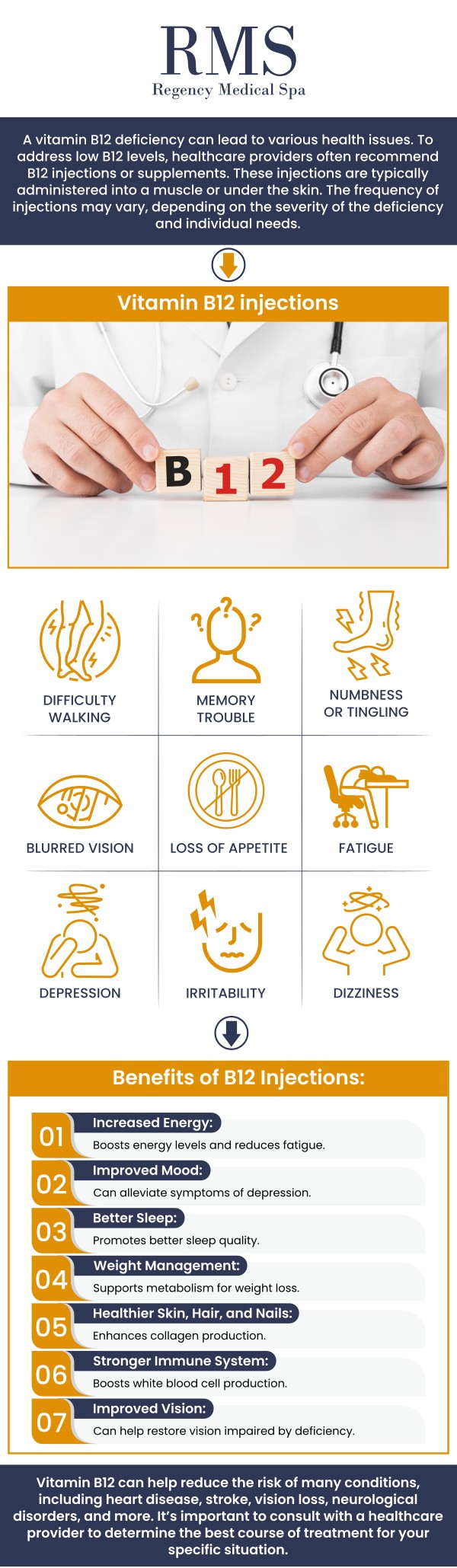
- Assuming “low energy = B12”: fatigue is rarely one-cause-only. Consider iron (ferritin), thyroid, vitamin D, sleep, and mental health factors.
- Skipping follow-up: even if you try a 2–4 week trial, reassess if there’s no change and ask for lab review rather than doubling down.
- Overlapping supplements: if you’re taking a multivitamin plus a B-complex plus an “energy” shot routine, you may be stacking without realizing it.
- Ignoring neurologic symptoms: tingling, numbness, balance issues, or persistent neurologic complaints deserve clinician evaluation—don’t treat blindly.
- Not checking injection logistics: if injections are part of the plan, confirm who administers it, what product is used, and what the schedule and reassessment timeline are.
The “why are doctors stopping B12 injections” angle often comes down to avoiding these mistakes: fewer routine injections for non-deficient cases, more targeted plans, and more comprehensive symptom evaluation.
FAQ
- Is it proven that B12 injections improve energy for young women?
- When B12 deficiency is confirmed, supplementation can improve biochemical markers and may improve symptoms for some people. However, symptom improvement is not guaranteed, and fatigue can have other causes.
- How long does it take to feel better after starting B12 injections or oral B12?
- If you’re deficient, some people notice changes in a few weeks, but others take longer. If there’s no noticeable improvement after a reasonable trial period, it’s worth reassessing the cause rather than continuing indefinitely.
- What side effects are common with B12 injections?
- Injection site soreness and redness are commonly reported. Less common reactions can occur, so stop and seek medical guidance if you experience more significant symptoms (for example, rash, breathing difficulty, or unusual reactions).
- Can you combine B12 injections with iron or other vitamins safely?
- Often yes, but “safely” depends on your specific products, doses, and medical history. If you’re taking iron, thyroid medication, or multiple supplements, review your plan with a clinician to avoid unnecessary stacking and to time medications appropriately.
- Oral vs injection: which is better when doctors are stopping B12 injections?
- In many non-absorption-risk cases, oral B12 can be a reasonable first approach. In deficiency with absorption risk, injection may be more appropriate. The best choice depends on labs, symptoms, and absorption likelihood rather than the format alone.
A Practical 2-Week Experiment Framework
This is not a treatment promise—just a consumer-friendly structure to reduce guesswork and keep you safe while you evaluate whether B12 is actually moving the needle for you.
| Day/Window | What to do | What to track |
|---|---|---|
| Day 1–2 | Decide format based on clinician guidance: oral trial or injection plan. Confirm dose and schedule. | Baseline fatigue (0–10), sleep quality, focus/brain fog, any tingling or neurologic symptoms |
| Day 3–7 | Start consistently. Avoid changing multiple supplements at once. | Any side effects (especially injection site reactions), appetite changes, GI upset, headaches |
| Day 8–11 | Keep a stable routine. Hydrate and maintain normal nutrition; don’t add new “energy” products. | Daytime alertness, workout tolerance, mood stability |
| Day 12–14 | Reassess. If you had no meaningful improvement and you didn’t have confirmed deficiency, consider clinician follow-up for other causes (often iron and thyroid-related issues). | Whether fatigue patterns changed, whether symptoms worsened, and whether you’d continue the plan |
| After Day 14 | Don’t extend “shots forever” without reassessment. Ask about labs or a revised plan. | Next-step decision: continue format, adjust dose with guidance, or pivot cause investigation |
If you’re buying product for a 2-week trial: choose one B12 format and keep everything else stable. If you’re starting injections, ensure the plan includes logistics and a stop/recheck point.
About the Author
Jordan Miller is a health product reviewer who focuses on ingredient transparency, dosing clarity, and how supplements fit real routines. Their work emphasizes clinician-aligned decision-making and includes hands-on review experience comparing oral B12 formats, reading label standards, and documenting user feedback patterns for vitamin deficiency topics. This article is a consumer-style informational review and does not replace medical advice or diagnosis.
Disclaimer: If you have persistent fatigue, heavy menstrual bleeding, neurologic symptoms (tingling/numbness), anemia concerns, or you’re pregnant or breastfeeding, talk with a qualified clinician before starting B12 injections or changing supplement plans. Results vary, and B12 is not a guaranteed fix for energy or mood.
Discussion