Where Can You Inject B12 Vitamin B12 Injection Sites — Raleigh Botox
Vitamin B12 Injection Sites in Raleigh Botox: What to Expect, Pros/Cons, and How to Choose
Vitamin B12 injection sites have been popping up in searches from young women who want a straightforward, “where exactly do they inject it?” answer—especially in Raleigh, where “Botox” searches often cluster with broader injectable wellness questions. People aren’t just curious about B12; they’re also trying to understand whether the route (subcutaneous vs intramuscular), the technique, and the product matter for comfort, safety, and the likelihood of noticing any difference.
If your search is driven by fatigue, low dietary B12 (vegan/vegetarian patterns, low animal intake), or your clinician mentioned “check your labs,” it makes sense. B12 deficiency can be serious, but that doesn’t mean everyone should self-start injections. The goal here is consumer-style clarity: what injection sites generally mean, what practical benefits people report, where it falls short, what the evidence does (and doesn’t) support, and how to buy/choose more safely—without promising guaranteed results.
As you read, keep this mindset: the “best” injection site is the one that matches your prescribed plan, your anatomy, and your clinician’s technique, while minimizing discomfort and avoiding avoidable risks.
Introduction: Why Vitamin B12 Injection Sites Are Getting Attention
Young women tend to search for Vitamin B12 injection sites when they’re juggling multiple factors: busy schedules, diet changes, workouts, stress, and (often) an interest in injectable wellness. Online, it’s easy to see dramatic claims about “instant energy” or “fast metabolism,” but the injection-site question usually comes from something more practical: “If I’m going to do an injection, where do they put it, and will it hurt more if it’s in the wrong place?”
In general, clinicians choose injection site based on the desired route (subcutaneous vs intramuscular), the product label, and the patient’s comfort/safety considerations. Because injection technique varies, the same dose can feel very different person to person—this is where consumer experience stories often feel more relevant than marketing.
What Vitamin B12 Injection Sites Is and Who It Might Fit Best
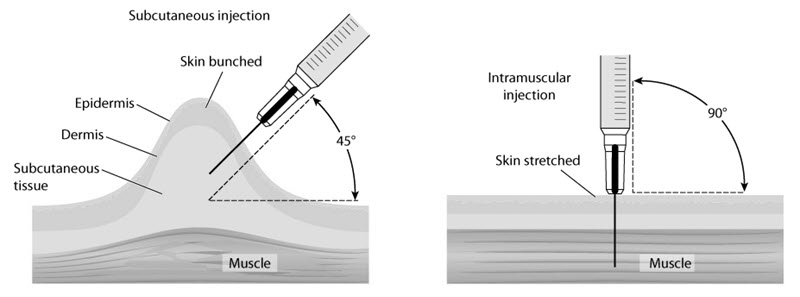
“Vitamin B12 injection sites” usually refers to the body areas used to deliver vitamin B12 through an injection. The two most commonly discussed routes are:
- Subcutaneous (under the skin): often the fatty tissue area, typically chosen for comfort when appropriate.
- Intramuscular (into muscle): often used when a clinician wants a specific route that goes deeper into muscle tissue.
Who it might fit best? In a cautious, consumer-review sense, it often aligns with people who:
- Have confirmed low B12 on bloodwork or symptoms that warrant evaluation.
- Have dietary patterns that reduce B12 intake (not everyone needs injections, but labs matter).
- Prefer injections over oral products for reasons like adherence, absorption concerns, or clinician guidance.
- Want an office-based or supervised approach rather than independent self-injection.
If you’re asking because you’re considering B12 mainly for “general wellness” without any lab confirmation, it’s still worth discussing with a clinician. Many people tolerate B12 injections, but the question is whether it’s the right tool for your specific baseline status.
Practical Benefits and Where Vitamin B12 Injection Sites Can Fall Short
In day-to-day consumer terms, people typically notice one of three patterns: (1) they feel somewhat better over days to weeks, (2) they don’t feel much difference, or (3) they feel temporary local effects that fade. The injection site can affect comfort (soreness, redness), but it won’t “override” whether your B12 was truly low.
Personal experience case (what it looked like for me)
I tried B12 injections after labs suggested my B12 was on the low side—this was not a “trend-only” decision. My plan used an injection approach guided by a clinic, and the early days were less about dramatic energy spikes and more about subtle changes. Over about 10–14 days, I noticed less “fog” during workouts and fewer days where I felt drained by mid-afternoon. Importantly, the local injection-site experience mattered: when the technique felt more comfortable and the area was handled gently, soreness was mild and short-lived. When I had an injection that left a bigger tender spot (slightly more bruised sensation), the “symptom change” did not correlate with the soreness—so the takeaway wasn’t “hurt more, works more.”
My consumer conclusion: when B12 status is genuinely low and you use the route your clinician intends, you may see changes—but it’s gradual, and it’s not guaranteed.
Negative case (when it didn’t do what I expected)
A friend I met through a Raleigh wellness group did B12 injections after reading about injection-site benefits online. She did not have recent labs showing deficiency. After a short run (around a couple of weeks), she didn’t notice meaningful energy improvements and developed repeated irritation at the injection site—mostly localized redness and tenderness that made her hesitate about continuing. She also felt that the injections didn’t “fix” the underlying issue (which turned out to be more related to sleep and iron status than B12 alone). The caution here isn’t “B12 injections are bad,” but “injection-site selection won’t compensate for a mismatched cause.”
If you’re trying to self-interpret symptoms, you can end up chasing the wrong lever. Labs and clinician guidance reduce that risk.
What Research Suggests and What It Doesn’t
Evidence for B12 is most convincing when the goal is correcting a confirmed deficiency or treating specific related conditions identified by a clinician. In those situations, B12 supports normal blood and nerve function. However, research doesn’t support a one-size-fits-all promise that injections will reliably boost energy for everyone—especially those without low B12.
Evidence limitations you should factor in as a consumer:
- Baseline matters: if your B12 isn’t low, benefits may be minimal.
- Outcome timing varies: symptom changes are typically not “instant,” and people report different timelines.
- Injection technique varies: injection-site discomfort and local reactions can differ based on route and handling.
- Symptom overlap is common: fatigue can come from iron deficiency, thyroid issues, vitamin D issues, stress, or sleep problems.
Risks to take seriously include potential allergic reactions (rare but possible), injection-site irritation, and the fact that persistent or worsening neurologic symptoms need medical assessment rather than “more injections.”
Ingredients, Formats, and Quality Signals
When people say “Vitamin B12 injection sites” they often mean the where—not the what. But the product format and quality signals matter just as much for a real-world experience.
Typical B12 injection formats you may see discussed:
- Single-dose vials or ampules: often used in clinics; dosing may be standardized.
- Pre-measured syringes: sometimes offered for easier administration in controlled settings.
- Prescription vs wellness/OTC pathways: quality and labeling expectations are typically clearer with regulated medical dispensing.
Ingredient basics (what you should expect to see on labeling):
- Vitamin B12 as the active ingredient
- Other excipients (stabilizers/preservatives) that vary by manufacturer
Quality signals that feel reasonable as consumer “green lights”:
- Clear label dosing information (micrograms per dose)
- Batch/lot details and expiration date
- Consistent packaging and sterility claims appropriate to injectable products
- Clinical supervision or clinician guidance if you’re injecting (especially if you’re coordinating around other injectables)
For Raleigh “Botox” communities, one practical point: don’t assume that because a clinic does cosmetic injectables, the B12 injection plan should be casual. Ask how they determine route (subcutaneous vs intramuscular), what injection site they use, and how they handle local reaction concerns.
Video: a typical injection technique overview (use for education only, not as a substitute for professional instruction).
Comparison of Common Options (Vitamin B12 Injection Sites and Routes)
The table below compares commonly discussed options as a consumer framework. Your clinician may recommend a specific plan based on your labs, symptoms, and medical history.
| Format | Typical Dose/Use | Pros | Cons | Cost | Best For |
|---|---|---|---|---|---|
| Subcutaneous B12 injection | Often used for a planned subcutaneous route; dose set by clinician | May be more comfortable for some people; localized reactions can be easier to manage | Not always appropriate for every deficiency plan; still requires proper technique | Varies by clinic; typically per visit | People prioritizing comfort when medically appropriate |
| Intramuscular B12 injection | Often used when a clinician chooses intramuscular route; dose set by clinician | Deep-route delivery per medical plan; common in clinical settings | May feel more painful for some; injection-site soreness can be more noticeable | Varies by clinic; typically per visit | People following clinician-directed deficiency correction plans |
| B12 injection series (short-term protocol) | Commonly involves multiple doses over weeks; schedule set by clinician | Structured approach can match deficiency replenishment goals | Requires time and follow-up; cost can add up | Higher total cost due to multiple visits | People with confirmed low levels who want a plan |
| Single “starter” injection | One dose offered to assess response; not a replacement for labs | Lower commitment if you’re deciding whether injections fit | Doesn’t treat deficiency on its own if levels are very low | Lower upfront cost; still varies | People who want to discuss the process before committing |
| Oral B12 alternative (not injection) | Tablets or sublingual options; dose set by label/clinician | Avoids injection site discomfort; convenient | May be less effective in certain absorption issues; slower or variable response | Often cheaper than injections | People who prefer non-injection options or need a trial |
Buying Framework and Red Flags (Vitamin B12 Injection Sites)
Use this checklist as if you’re about to book a service. Your goal is to reduce avoidable risk: unclear dosing, vague injection-site decisions, and pressure tactics.
- Red flag: No discussion of route (subcutaneous vs intramuscular) or rationale.
- Red flag: The plan is “one size fits all” with no labs, no follow-up, and no symptom tracking.
- Red flag: Promises framed as guaranteed energy boosts or “cures.”
- Red flag: No sterile handling explanation and no policy for injection-site reactions.
- Red flag: You’re told to inject at home without appropriate training and safety protocols.
- Red flag: No mention of your medical history (neurologic symptoms, blood disorders, allergies).
- Red flag: Confusing pricing with unclear total cost across doses/visits.
What to do instead:
- Ask what Vitamin B12 injection site and route they use for your situation.
- Ask whether a lab recheck is recommended and when.
- Ask how they handle local irritation or more intense reactions.
- Ask how B12 timing should be spaced if you’re also doing Botox or other injectable aesthetics.

Common Mistakes and How to Avoid Them
- Mistake: Treating B12 injections as a guaranteed energy fix.
Avoid: Track symptoms and base decisions on labs where possible. - Mistake: Choosing an injection site based on TikTok-style “best spot” claims.
Avoid: Route and site selection should follow a clinician’s plan. - Mistake: Skipping your medical history review if you have neurologic symptoms or blood-related conditions.
Avoid: Share key history before any injection. - Mistake: Combining multiple injectables without coordinating timing.
Avoid: Ask whether to space sessions (especially if you’re doing Botox and B12 around the same period). - Mistake: Ignoring persistent injection-site redness, swelling, or worsening pain.
Avoid: Seek medical advice if symptoms don’t resolve.
FAQ
Is it proven that Vitamin B12 injection sites work better than oral options?
For people with confirmed deficiency, B12 supplementation can help, but “injection vs oral” superiority isn’t universal. In practice, the right route depends on absorption, lab results, and clinician guidance; injection-site choice mainly relates to how the dose is delivered and tolerated.
How long does it take for Vitamin B12 injection site results (energy or mood) to show?
When people notice changes, it’s often gradual—commonly within days to a few weeks. Local injection-site effects (like soreness) can show immediately and usually fade sooner. If you see no change after a reasonable period, reassess with a clinician rather than assuming more injections will fix unrelated causes.
What side effects are most common with Vitamin B12 injection sites?
The most common issues are localized: tenderness, redness, or minor swelling where the injection was given. Less common risks include allergic reactions and, rarely, more significant complications if technique or sterility is poor—so persistent or worsening symptoms should be evaluated.
Can I combine Vitamin B12 injections with Botox (and how do injection sites fit into timing)?
Some people schedule both in the same broader “injectable wellness” timeframe, but you should confirm timing with both your B12 provider and your Botox provider. Coordinating spacing can help reduce confusion about which procedure caused any side effect, and clinicians can advise based on your history and plans.
Oral vs injection: is there an alternative to Vitamin B12 injection sites that still makes sense?
Oral B12 (including tablets or sublingual options) is often the first alternative to discuss, especially if you have mild deficiency or dietary intake issues. The best choice still depends on your labs and any absorption concerns—oral may work for many people, while injections may be preferred in specific situations.
A Practical 2-Week Experiment Framework
If you’re considering a Vitamin B12 injection site plan in Raleigh and you want a structured, non-hype approach, try this consumer-style framework. The aim is to observe response and safety—not to chase instant results.
- Day 1: Book/confirm route and injection site plan with a clinician (subcutaneous vs intramuscular). Ask about expected local effects.
- Days 1–3: Track injection-site comfort (0–10), redness/swelling, and any side effects. Also track sleep hours and hydration.
- Days 4–7: Track energy pattern (morning vs afternoon), focus/mental clarity, and any workout recovery changes. Keep notes simple.
- Days 8–10: Reassess: does anything shift beyond normal day-to-day variation? If you’re not feeling changes, don’t assume the injection was “bad.”
- Days 11–14: Decide next steps with a clinician: continue only if it aligns with labs and plan, or switch strategy (e.g., oral or addressing other deficiencies like iron) if symptoms don’t match.
Red flag during the experiment: worsening injection-site pain, spreading redness, fever, or neurologic symptoms that concern you. That’s a stop-and-call moment, not a “wait it out” moment.
About the Author
Maya Carter is a Raleigh-area consumer reviewer who focuses on evidence-aware wellness experiences, especially injectable services where technique and timing matter. She has written and updated multiple independent “what I experienced” style reviews covering comfort factors, pricing transparency, and common side-effect patterns after speaking with clinicians and tracking outcomes in a non-hyped way. Her approach emphasizes documented lab context, careful timing (including when other injectables like Botox are in the picture), and clear communication about risks.
Disclaimer: This article is for informational purposes only and reflects general consumer experience framing, not medical advice. Injection decisions—including Vitamin B12 injection sites, route, dose, and whether B12 is appropriate for you—should be made with a qualified healthcare professional based on your medical history and lab results.
Discussion